
+ Up to $1,000 on 1st Deposit

Responsible Gaming
Horus Casino is committed to promoting safer gambling and helping players maintain control of their online play. Gambling should be an enjoyable form of entertainment, not a way to make money or manage financial difficulties. Please consider your choices carefully, understand the risks and use the tools available to support healthy gambling habits.
Aussie Favourites
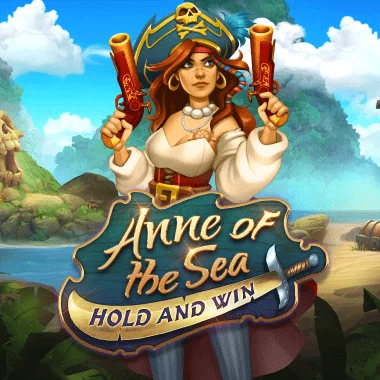
Anne of the Sea Hold and Win
flatdog

Disco Inferno
redtiger

Fortune & Finery
booming

Panda Dinero
platipus

China Festival
3oaks

Win Eagle
swntt
Our approach to safer gambling
Gambling involves risk, and there is no guaranteed way to win. Every bet or game outcome is uncertain. Previous results do not determine future results, and a losing session cannot be recovered by continuing to play. We encourage all players to treat gambling as paid entertainment and to spend only money they can comfortably afford to lose.
Table of contents
Safer gambling means making decisions before you start, keeping those decisions under review and taking a break when play no longer feels enjoyable or manageable. It also means being honest with yourself about the amount of time and money you spend. If gambling is causing stress, conflict, debt or difficulty meeting everyday commitments, stopping and seeking support is an important step.
Horus Casino aims to provide information and account features that can help players manage their activity. These features are not a substitute for personal responsibility or professional advice. If you believe gambling is becoming difficult to control, use the strongest available restriction, stop playing and seek independent assistance.
Key principles
- Only gamble when you are legally permitted to do so and are aged 18 or over.
- Set a spending amount and time limit before beginning a session.
- Use money set aside for entertainment, never money needed for essentials.
- Do not chase losses or increase stakes to try to recover money.
- Do not gamble when affected by alcohol, drugs, strong emotions or tiredness.
- Take regular breaks and keep gambling separate from work, study and family responsibilities.
- Remember that gambling outcomes are based on chance and cannot be predicted or controlled.
- Ask for help early if your gambling no longer feels voluntary, affordable or enjoyable.
Tools to help you stay in control
Planning your gambling in advance can make it easier to recognise when your activity is moving beyond your intentions. Depending on the features available for your account, you may be able to set or request controls relating to deposits, wagering, losses, session length or access to your account. Check the account or safer gambling area for the controls that apply to you.
A limit is most effective when it is set before you begin gambling. Choose an amount that will not affect rent, mortgage payments, bills, food, transport, savings or other important commitments. A time limit should also allow for breaks and should not interfere with sleep, work, study or relationships.
Practical steps
- Decide how much money and time you are willing to spend before opening a game.
- Set an available account limit where that option is provided.
- Keep track of deposits, wagers, withdrawals and the total time spent playing.
- Do not deposit more money simply because an earlier amount has been lost.
- Close the session when your planned limit is reached, regardless of whether you are winning or losing.
- Review your activity regularly and reduce your limits if gambling is taking more time or money than intended.
- Use a break or exclusion option if you want to stop for a defined period or need more distance from gambling.
Account controls may not immediately change every aspect of your gambling activity, and some requests may require verification or processing under applicable rules. A control should not be cancelled or increased during a moment of excitement, frustration or pressure. If you are unsure which option is appropriate, choose a longer break or request account closure rather than continuing to play.
Technology can also support your plan. Consider using device-level restrictions, banking controls or budgeting tools where available. You may also wish to remove saved payment details, avoid gambling-related notifications and keep gambling applications or websites away from shared family devices. These steps work best alongside a clear decision to stop or limit play.
Recognising when gambling may be harmful
Problem gambling can develop gradually, and it does not always depend on the size of a person’s bets. Someone may experience harm after frequent low-value play, occasional high-value play or a pattern that becomes more intense during stressful periods. You do not need to wait until there is a serious financial problem before asking for help.
Possible warning signs
- Spending more money or time gambling than you originally intended.
- Trying to win back money after a loss or feeling unable to stop during a session.
- Borrowing money, selling belongings or using credit to continue gambling.
- Gambling with money needed for bills, food, housing or other essentials.
- Hiding gambling activity, deposits, losses or account statements from people close to you.
- Feeling restless, irritable or anxious when attempting to cut down or stop.
- Thinking about gambling frequently or planning daily activities around it.
- Missing work, study, appointments, sleep or social commitments because of gambling.
- Experiencing arguments, relationship problems or reduced contact with family and friends.
- Feeling guilt, shame, hopelessness or distress connected with gambling.
- Using gambling as a way to cope with loneliness, sadness, stress or other difficult emotions.
- Continuing to gamble even though it is affecting your finances, health or relationships.
One or more of these signs may indicate that it is time to stop and speak with someone independent. Talk to a trusted family member or friend, a general practitioner, a qualified counsellor or an Australian gambling support service. Independent support can help you understand your options, manage urges, plan for financial issues and rebuild routines without judgement.
If gambling has contributed to debt or financial pressure, consider speaking with a qualified financial counsellor before borrowing more money or making large financial decisions. Do not attempt to solve gambling losses through further gambling. If you feel unsafe, are experiencing a mental health crisis or may harm yourself or another person, stop gambling and contact local emergency services or an appropriate crisis support service immediately.
Support is also available for people affected by another person’s gambling. Family members, partners and friends can set boundaries, protect shared finances and seek confidential advice for themselves. You do not have to manage the situation alone, and you are not responsible for another adult’s gambling choices.
Breaks, self-exclusion and account protection
If you want to stop gambling, you can request a temporary break or a longer period of self-exclusion through the available account support process. Self-exclusion is intended for people who want to prevent themselves from accessing gambling for a chosen period or until further review. Select a period that gives you meaningful distance from gambling and use the time to arrange independent support.
A self-exclusion request may restrict access to your account and may affect pending activity in accordance with applicable terms and requirements. The exact process, duration and effect of a break or exclusion will depend on the option you choose and the information needed to verify your account. Read the relevant instructions carefully before submitting a request.
When requesting an exclusion
- State clearly that you want to take a gambling break or self-exclude.
- Choose the longest period that reflects your need to stop, rather than selecting a short period in the hope that urges will quickly pass.
- Do not create another account or use another person’s account during the exclusion period.
- Remove access to payment methods and gambling applications where practical.
- Tell a trusted person about your decision so they can provide encouragement and accountability.
- Contact an independent support service to discuss triggers, finances and strategies for maintaining the break.
- Do not ask for an exclusion to be reversed or shortened if you are still experiencing urges or gambling-related harm.
Account protection also includes keeping your login details private. Do not allow another person to use your account, and do not use another person’s account. Use a strong, unique password and update it if you think it may have been disclosed. Notify the relevant account support channel if you notice activity you do not recognise or believe your account security has been compromised.
Horus Casino may apply account restrictions, verification measures or other safeguards where required by applicable law, our terms or responsible gambling procedures. These measures may be used to help protect an account, confirm a player’s identity or respond to signs of potentially harmful activity. They are not a guarantee that gambling-related harm will be prevented, so personal limits and early support remain important.
Protecting young people and vulnerable people
Online gambling is not suitable for anyone under 18. Parents and carers should use device controls, payment protections and account security measures to reduce the risk of young people accessing gambling content or payment methods. Keep passwords and financial information private, and do not ask or permit another person to gamble using your account.
If you are concerned that someone may be gambling through your details or without your permission, secure your devices and payment methods, change relevant passwords and raise the issue through the available account support process. We may need information to verify ownership and protect the account.